Creating a school playground that’s fun, safe, and developmentally appropriate for kids of all ages is no small feat. But with the right zoning strategies, age-appropriate playground equipment, and thoughtful design, it can be a rewarding project that brings joy to your entire school community. In this guide, we’ll dig into what makes multi-age playground design successful and share practical playground layout ideas for schools.
Understanding Age-Specific Needs in Playground Design
Not all play is created equal, especially when you compare what delights a toddler to what excites a 10-year-old. Understanding developmental stages is key when designing inclusive playgrounds for all ages because each age group brings different physical abilities, social needs, and safety requirements to the table.
Toddlers (Ages 2–5):
- Physical needs: Low-height structures, soft surfaces, and equipment that supports early motor skill development are required.
- Cognitive needs: Thrive on imaginative play and sensory experiences.
- Social needs: Benefit from spaces that encourage parallel play and gentle interactions.
Think of this age group as little explorers just beginning to understand the world's rules. They need safe playground equipment for toddlers and older kids that supports their small size and developmental milestones. Equipment like sensory panels, crawl-through tunnels, and mini slides allows them to engage without feeling overwhelmed.
Elementary-aged Children (Ages 5–12):
- Physical needs: Seek out more challenging equipment that builds strength, coordination, and confidence.
- Cognitive needs: Enjoy puzzles, interactive panels, and imaginative play spaces.
- Social needs: Prepare for games involving teamwork, role-playing, and light competition.
These kids are eager to test limits and explore boundaries—safely, of course. Rope climbers, monkey bars, tall slides, and interactive group games are all favorites in this age group. Including them means providing opportunities for leadership, creativity, and problem-solving in a fun, outdoor setting.
Implementing Zoning Strategies for Multi-Age Playgrounds
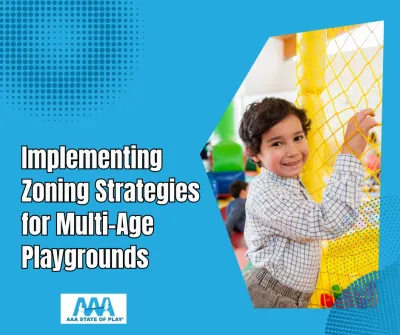
One of the best ways to cater to different age groups is by dividing the playground into age-appropriate areas that reflect the unique needs of each group. This can give kids the confidence to play at their own pace without worrying about accidental bumps and tumbles. Here are a few playground zoning tips to consider:
- Separate by Age Group: Create distinct play areas for younger and older children to minimize interference. Younger children might be intimidated by older kids’ energy levels—zoning helps avoid that.
- Use Natural Boundaries: Strategically placed benches, low fencing, or landscaping like shrubs or boulders can subtly guide kids to their designated zones.
- Incorporate Shared Spaces: Include middle zones with universally loved features—think musical play panels, hopscotch paths, or storytelling corners. These spaces invite collaboration and inclusion without compromising safety.
When implemented well, zoning supports both structured and free play and definitely improves the overall flow and usability of the space.
Selecting Appropriate Equipment for Diverse Age Groups
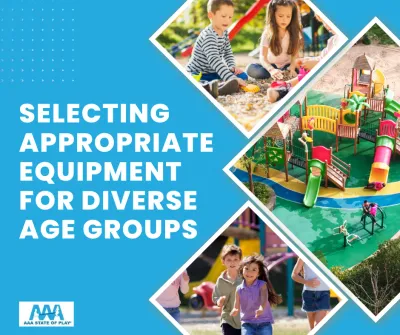
It’s not just about picking fun things but also ensuring that every child finds something that engages their body and mind when selecting play equipment. Since a multi-age playground thrives on variety, safe playground equipment for toddlers and older kids should include:
Toddler Zones
These areas should include crawl tunnels, low platforms, activity panels with textures and sounds, and soft-surface spring riders. Every feature should be reachable, climbable, and scaled for tiny hands and feet.
Elementary Zones
This group craves adventure, so bring on the climbing walls, swinging bridges, obstacle courses, overhead ladders, and towering slides. These pieces challenge balance and coordination, promote risk assessment, and are a hit with kids who want to "level up" their play.
Inclusive and Shared Features
Swings (with a mix of toddler buckets and belt seats), inclusive merry-go-rounds, see-saws with support seating, and shaded seating nooks help bridge the age gaps.
When choosing age-appropriate playground equipment, choose materials that withstand heavy use and weather, and consider modular systems that can grow with your school.
Ensuring Safety and Accessibility Across All Zones
Safety and accessibility are non-negotiables in multi-age playground design since designing a playground is also about reducing risks and ensuring every student, regardless of age or ability, can safely enjoy the space. To minimize hazards while maximizing exploration and excitement, here are some best practices for inclusive, safe zones:
- Fall Protection Surfacing: Rubber mulch, poured-in-place rubber, or synthetic turf are ideal for cushioning falls and preventing injuries.
- Clear Signage: Include signs that indicate intended age groups for specific areas so kids and supervisors are on the same page.
- ADA Accessibility: Design with ramps, smooth pathways, and inclusive play features like transfer platforms and sensory panels to accommodate all users.
- Visibility and Supervision: Design your playground so that every area is visible to supervisors and staff. Open sightlines reduce blind spots and improve response time in emergencies.
By addressing safety head-on, you're not only creating peace of mind for parents andeducators, but you're also encouraging kids to explore with confidence.
Incorporating Natural Elements and Flexible Spaces
Nature and flexibility are your best friends in playground design. Natural elements add sensory richness and calm energy to the play environment, while flexible areas allow schools to adapt spaces as students’ needs change. Here are a few ideas to get you started:
- Natural Features: Boulders, logs, gardens, and water play areas spark creativity and reduce overstimulation.
- Outdoor Classrooms: Multi-use zones with benches and shade structures support learning, socializing, and recess.
- Movable Equipment: Portable climbing structures or modular panels offer variety and allow for future reconfiguration.
With thoughtful planning and a focus on inclusive, age-appropriate features, your school playground can become a thriving hub of joy, exploration, and growth.
A thoughtfully designed school playground isn’t just about the swings and slides—it’s about creating a vibrant, inclusive environment that supports every child’s journey. Here at AAA State of Play, we offer a wide range of age-appropriate playground equipment built for safety, durability, and multi-age engagement. Whether you’re looking to zone your playground by age group, incorporate nature-inspired elements, or install safe playground equipment for toddlers and older kids, our catalog is full of customizable solutions that can surely bring your vision to life.
We understand the importance of designing inclusive playgrounds for all ages, and we’re here to help with expert guidance and high-quality equipment that fits your space, budget, and goals. Contact us today to get a free quote, or connect with our team to start building a playground that grows with your students and inspires joyful play for years to come.
Other Related Articles:
- Natural Playground Equipment: Now and the Future - Swing Sets and Accessories
- All About Making Playgrounds Accessible and Inclusive
- Designing Innovative School Playgrounds
- Customizing Playground Sets for Kids: Tailored Solutions for Any Space
- Outdoor Learning Areas and Playgrounds - Daycare and Pre-Kinder